Have you ever wondered what to eat after a course of steroids? Steroids help many people, but they can change your body. What you eat matters for recovery. Let’s explore how to nourish your body well.
Why Nutrition Matters After Steroids
Steroids offer great benefits. They fight inflammation and illness effectively. However, they can affect your body’s balance. This includes bone strength and fluid levels. Your diet can help fix these changes.
Understanding Steroid Side Effects
Steroids can cause a few issues. They might make your bones weaker over time. They can also lead to more fluid in your body. Blood sugar can rise too. Your muscles might also break down faster.
Fueling Protein Power
Protein is your body’s builder. It repairs tissues and builds muscle. Steroids can break down muscle. Eating enough protein helps rebuild it. It also supports healing.
Lean Protein Sources
Choose protein that is easy to digest. Lean meats like chicken and turkey are good. Fish like salmon and sardines offer benefits. Eggs are a complete protein. Dairy products like milk and yogurt also provide protein.
Plant-Based Proteins
Don’t forget plant-based options. Lentils and beans are protein powerhouses. Tofu and tempeh are excellent choices. Nuts and seeds add protein and healthy fats.
Building Strong Bones
Steroids can affect calcium. They might make it harder for your body to use. This can weaken your bones. You need to focus on calcium and vitamin D.
Calcium for Bone Strength
Aim for about 1,500 mg of calcium each day. Milk and yogurt are good sources. Leafy greens like kale are also helpful. Sardines with bones provide calcium.
Vitamin D’s Role
Vitamin D helps your body absorb calcium. You need about 600 to 1,000 IU daily. Fatty fish are a natural source. Sunlight also helps your body make vitamin D. Certain foods are fortified with it.
Managing Fluid and Blood Pressure
Steroids can cause your body to hold onto salt. This leads to extra fluid. It can also raise your blood pressure. Reducing sodium intake is key.
Low Sodium Strategies
Aim for less than 2,300 mg of sodium per day. Avoid processed foods. Canned soups and lunch meats are high in salt. Fast food often contains a lot of sodium.
Choosing Fresh Foods
Fresh fruits and vegetables are naturally low in sodium. Choose unsalted snacks like nuts. Read food labels carefully for sodium content. Look for “low sodium” or “no salt added” options.
Potassium for Balance
Potassium helps counter salt’s effects. It can help manage extra fluid. It also supports healthy blood pressure. Adding potassium-rich foods is a good idea.
Potassium-Rich Choices
Bananas are a well-known source. Potatoes and sweet potatoes also provide potassium. Dried apricots are a concentrated source. Spinach and cantaloupe are good additions.
Grapefruit and Medications
Be mindful if you take certain medications. Grapefruit can interact with some drugs. Always check with your doctor or pharmacist. They can advise if grapefruit is safe for you.
The Mediterranean Way for Long-Term Health
A Mediterranean-style diet is excellent. It is recommended for overall health. It can help manage steroid side effects. It is beneficial long-term, especially after transplant.
Emphasizing Whole Foods
This diet focuses on unprocessed foods. It includes plenty of vegetables and fruits. Aim for at least five servings daily. Whole grains provide fiber and nutrients.
Healthy Fats and Antioxidants
Use olive oil as your main cooking fat. Nuts and seeds add healthy fats. These foods are rich in antioxidants. Antioxidants protect your cells.
Limiting Sugary Drinks
Cut back on sodas and juices. They add extra sugar without much nutrition. Choose water or unsweetened beverages instead. This helps manage blood sugar.
Smart Carbohydrate Choices
Steroids can increase blood sugar. This means managing your carbohydrate intake. Choose complex carbohydrates carefully. They provide sustained energy.
Complex vs. Simple Carbs
Complex carbs are found in whole grains. Think whole wheat bread or brown rice. Starchy vegetables like potatoes and corn are also good. Simple carbs are in sweets and white bread.
Portion Control Matters
Even healthy carbs count towards your intake. Be mindful of portion sizes. This helps keep your blood sugar stable. Work with a professional for a personalized plan.
Creating Balanced Meals
Eating balanced meals supports recovery. Aim for several smaller meals each day. This can help manage hunger and energy. It also ensures you get varied nutrients.
The Importance of Timing
Try to eat about six small meals a day. This is more manageable than three large ones. Each meal should include different food groups. This provides a steady stream of nutrients.
A Balanced Plate Example
Think of a plate with parts. A portion of lean protein. A serving of non-starchy vegetables. Some whole grains or starchy vegetables. A small amount of healthy fat.
Hydration for Recovery
Water is vital for all bodily functions. It helps carry nutrients to cells. It also aids in waste removal. Staying well-hydrated is crucial.
How Much Water?
Individual needs vary. A general guideline is eight glasses a day. Listen to your body’s thirst cues. If you are very active, you may need more.
Hydration Beyond Water
Some fruits and vegetables have high water content. Cucumbers, watermelon, and oranges contribute. Unsweetened herbal teas can also add to your fluid intake.
Actionable Tips for Your Plate
Making small changes can have a big impact. Focus on the quality of your food. Prioritize nutrient-dense options. These give your body the building blocks it needs.
Nutrient Density is Key
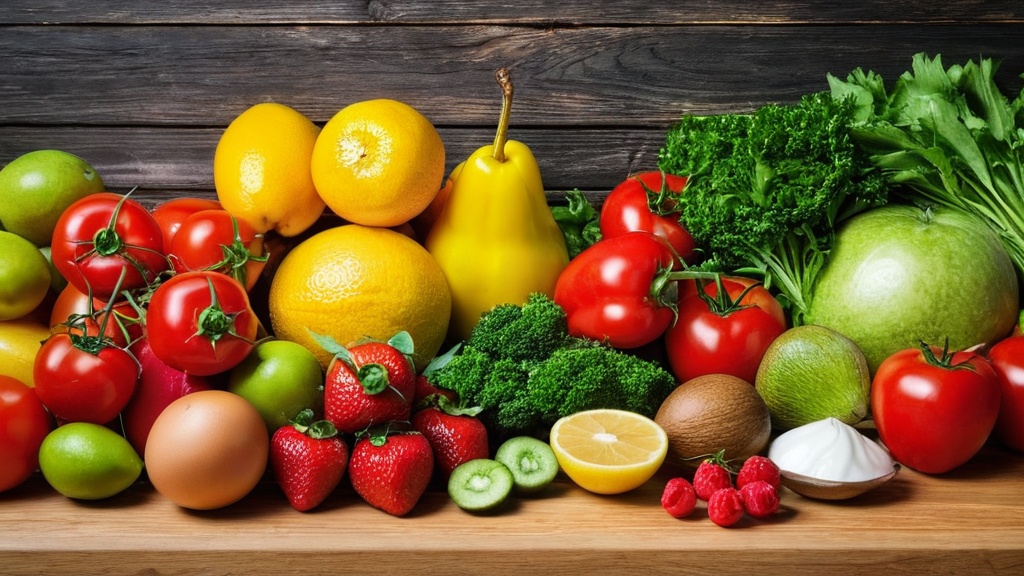
Choose foods packed with vitamins and minerals. This means more whole foods. Less processed food means more nutrients. Think vibrant fruits and colorful vegetables.
Monitoring Nutrients
Your doctor may monitor specific minerals. Potassium and phosphorus are sometimes watched. Your healthcare provider will guide you. They will advise on foods to include or avoid.
Seek Professional Guidance
A registered dietitian can help a lot. They create personalized eating plans. This is especially true after a transplant. They can tailor advice to your specific needs. Always talk to your doctor before making big diet changes.
FAQs
What are the best diets to heal organs after steroids?
The best diets to heal organs after steroids are those that are rich in antioxidants, anti-inflammatory foods, and nutrients that support organ health. This includes a diet high in fruits, vegetables, whole grains, lean proteins, and healthy fats.
What specific foods should be included in a diet to heal organs after steroids?
Specific foods that should be included in a diet to heal organs after steroids include berries, leafy greens, fatty fish, nuts, seeds, olive oil, turmeric, ginger, garlic, and foods high in vitamin C and E. These foods are known for their antioxidant and anti-inflammatory properties.
Are there any foods that should be avoided when trying to heal organs after steroids?
When trying to heal organs after steroids, it is best to avoid processed foods, sugary snacks, excessive amounts of red meat, and foods high in trans fats. These foods can contribute to inflammation and may hinder the healing process.
How does hydration play a role in healing organs after steroids?
Hydration plays a crucial role in healing organs after steroids as it helps to flush out toxins, support organ function, and maintain overall health. It is important to drink an adequate amount of water and limit the consumption of sugary and caffeinated beverages.
Are there any specific dietary supplements that can aid in healing organs after steroids?
Certain dietary supplements, such as omega-3 fatty acids, vitamin C, vitamin E, and coenzyme Q10, may aid in healing organs after steroids. However, it is important to consult with a healthcare professional before taking any supplements to ensure they are safe and appropriate for individual needs.