
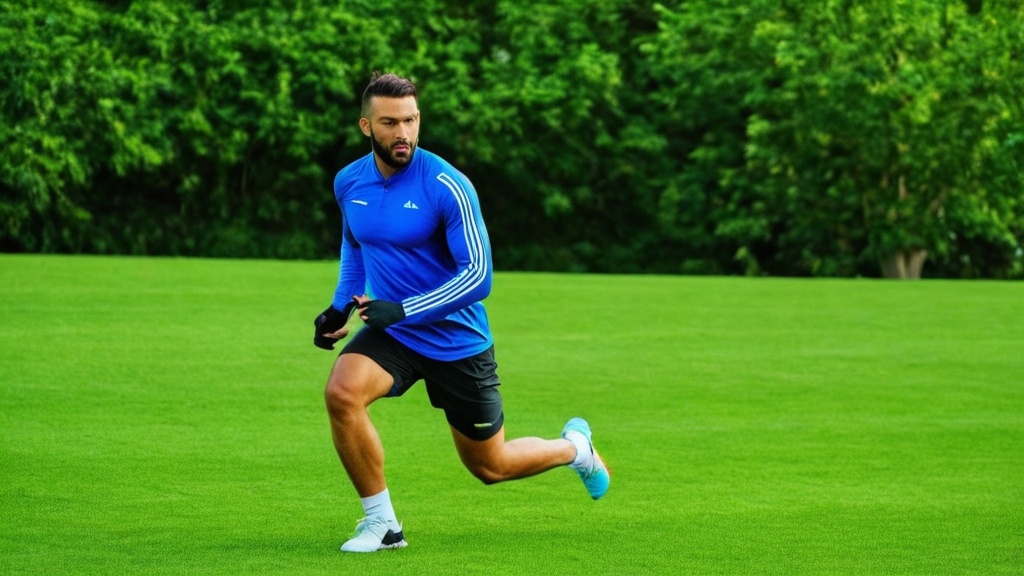
Imagine this: you just crushed a tough workout. You feel the burn, the triumph. But what happens next is just as important. How you recover today fuels your performance tomorrow. Let’s unlock your body’s full potential after exercise.
Your body heals best when you rest. Sleep allows muscles to rebuild and grow. This is where true gains happen.
How Much Sleep Do You Need?
Most adults require seven to nine hours nightly. Athletes may need even more. Listen to your body’s signals. Persistent fatigue signals insufficient rest.
Quality Matters Most
Deep sleep is crucial for muscle repair. Create a dark, quiet bedroom. Avoid screens before bed. Consistency in your sleep schedule helps.
Sleep and Performance
Lack of sleep hinders recovery. It can increase injury risk. You might feel weaker and slower. Prioritizing sleep sharpens your mind and body.
Fueling the Machine: Nutrition
What you eat directly impacts your repair process. Think of food as building blocks. Proper nutrition speeds up muscular recovery.
Post-Workout Nutrition Window
Consume protein and carbohydrates soon after exercise. This replenishes energy stores. It also aids muscle protein synthesis. Aim for this within 30-60 minutes.
Protein Power
Protein is vital for muscle repair. Include sources like lean meats, fish, eggs, or plant-based options. This provides the amino acids your muscles need.
Carbohydrate Replenishment
Carbohydrates refill your glycogen stores. These are your primary energy sources. Whole grains, fruits, and vegetables are excellent choices.
Hydration is Key
Water is essential for all bodily functions. It aids nutrient transport. It also helps remove waste products. Stay hydrated throughout the day. Drink water before, during, and after training.
Smart Training: Listening to Your Body

Training hard is important, but so is smart training. Pushing too hard without recovery leads to burnout. Learn to adapt your training.
Readiness Assessment
Pay attention to how you feel daily. Are you unusually tired? Does your body ache more than usual? These are signals to adjust.
Adjusting Intensity and Volume
If you feel fatigued, reduce intensity. You might also lower the training duration. It’s better to train slightly less than to injure yourself.
Planned Rest Days
Schedule at least one to two full rest days weekly. This allows your body to fully recover. It prevents overtraining. Active recovery can also be beneficial.
Periodization for Progress
Structure your training over time. This involves planned phases of high and low intensity. It ensures you peak at the right moments. It also allows for consistent adaptation.
Active Recovery Tactics

Recovery doesn’t always mean complete rest. Gentle movement can boost circulation. This helps deliver nutrients to muscles. It can also reduce stiffness.
Low-Intensity Movement
Activities like walking, cycling, or swimming are great. They keep your blood flowing. This aids in clearing metabolic byproducts. Aim for 20-30 minutes.
Stretching and Mobility
Gentle stretching helps maintain flexibility. It can alleviate muscle tightness. Focus on major muscle groups worked during your session. Yoga or Pilates can also help.
Foam Rolling
This self-massage technique can release muscle knots. It may reduce soreness and improve range of motion. Target tight areas gently.
Advanced and Emerging Strategies
| Recovery Training Strategies | Benefits | Examples |
|---|---|---|
| Active Recovery | Improves blood flow and reduces muscle stiffness | Light jogging, swimming |
| Stretching | Increases flexibility and reduces muscle tension | Static stretching, yoga |
| Massage | Relieves muscle soreness and improves circulation | Deep tissue massage, foam rolling |
| Hydration | Replenishes fluids lost during exercise | Drinking water, electrolyte drinks |
Science constantly explores new ways to boost recovery. Some methods gain traction with athletes. They aim for faster regeneration and reduced inflammation.
Compression Garments
Wearing compression sleeves or tights can help. They improve blood flow. They may reduce muscle soreness. Research shows benefits, especially for strength recovery.
Cold-Water Immersion
Brief exposure to cold water can aid recovery. It may reduce inflammation and soreness. Many athletes find it effective. It’s important to use safely.
Massage Therapies
Professional massages aid muscle recovery. Tools like massage guns offer a portable option. They help release tension and improve circulation.
Other Technologies
Emerging technologies like PEMF therapy are being studied. These aim to stimulate cellular repair. Their widespread effectiveness is still under investigation. Always consult evidence before trying new methods.
Putting It All Together: A Balanced Approach
Optimizing recovery requires a holistic view. It’s a combination of strategies working together. Consistent application is key to success.
Listen to Your Body’s Cues
Your body provides valuable feedback. Learn to interpret its signals. This helps you make informed decisions about training.
Prioritize the Fundamentals
Sleep, nutrition, and hydration are non-negotiable. They form the foundation of all recovery. Do not neglect these basic needs.
Integrate Strategies Mindfully
Choose recovery methods that suit you. Not every strategy works for everyone. Experiment and find what benefits you most. Start small and build consistency.
Seek Professional Guidance
If you struggle with recovery or injury, seek help. A coach or medical professional can offer personalized advice. They can help tailor a plan for your specific needs.
FAQs
What are recovery training strategies?
Recovery training strategies are specific techniques and methods used to help athletes and individuals recover from intense physical activity or training. These strategies aim to reduce muscle soreness, fatigue, and the risk of injury, while also promoting overall physical and mental well-being.
What are some common recovery training strategies?
Common recovery training strategies include active recovery, such as light exercise or stretching, as well as passive recovery methods like massage, compression therapy, and hydrotherapy. Other strategies may include proper nutrition, hydration, and adequate rest.
How do recovery training strategies benefit athletes and individuals?
Recovery training strategies help athletes and individuals by promoting faster recovery, reducing the risk of overtraining and injury, and improving overall performance. These strategies also help to enhance mental focus and well-being, allowing individuals to maintain a consistent training schedule.
When should recovery training strategies be implemented?
Recovery training strategies should be implemented immediately following intense physical activity or training sessions. It is important to prioritize recovery in order to allow the body to repair and adapt to the stress placed on it during exercise.
Are recovery training strategies suitable for everyone?
Yes, recovery training strategies can benefit individuals of all fitness levels and physical abilities. Whether you are a professional athlete, a recreational exerciser, or someone recovering from an injury, implementing recovery training strategies can help improve overall well-being and performance.