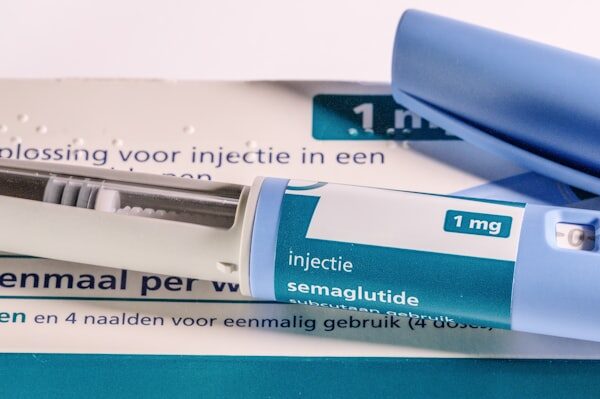
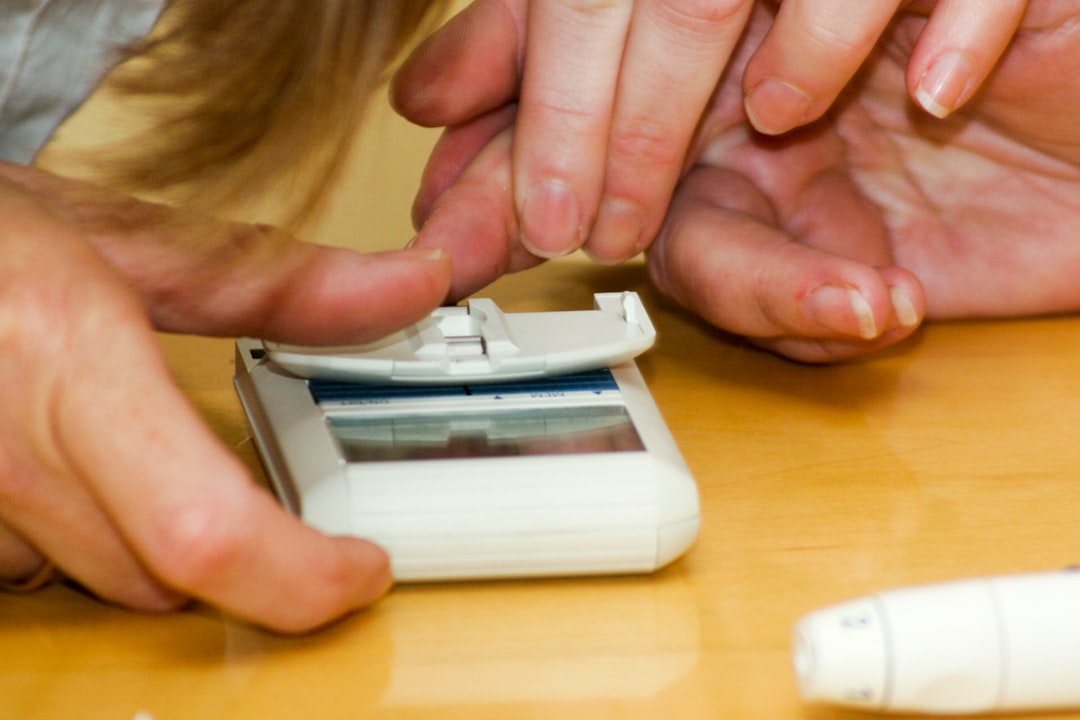
Steroids are powerful medicines. They can help many conditions. But they can also raise your blood sugar. This is a common side effect. Managing this change is important for your health.
Our bodies use sugar for energy. This sugar is called glucose. Insulin helps move glucose into cells. Steroids can interfere with this process. They make your body less sensitive to insulin. This is called insulin resistance.
How Steroids Cause Insulin Resistance
Steroids mimic stress hormones. These hormones tell your body to release more glucose. This floods your bloodstream with sugar. Your pancreas makes more insulin. Eventually, your body cannot keep up. Glucose levels rise.
Different Types of Steroids
Many steroids exist. Prednisone is a common example. Cortisone is another. The strength and type matter. Stronger steroids often cause bigger sugar changes. Knowing your specific steroid helps.
Duration of Steroid Use
How long you take steroids matters. Short courses may cause milder effects. Longer courses can lead to more significant changes. Your doctor considers this. They plan your treatment accordingly.
Individual Responses Vary
Not everyone reacts the same. Some people are more sensitive. Others might have only slight bumps. Your own body chemistry plays a role. This is why personalized care is key.
Monitoring Your Blood Sugar
Checking your blood sugar is vital. It tells you what is happening. Regular checks help catch problems early. They guide treatment adjustments.
Self-Monitoring of Blood Glucose (SMBG)
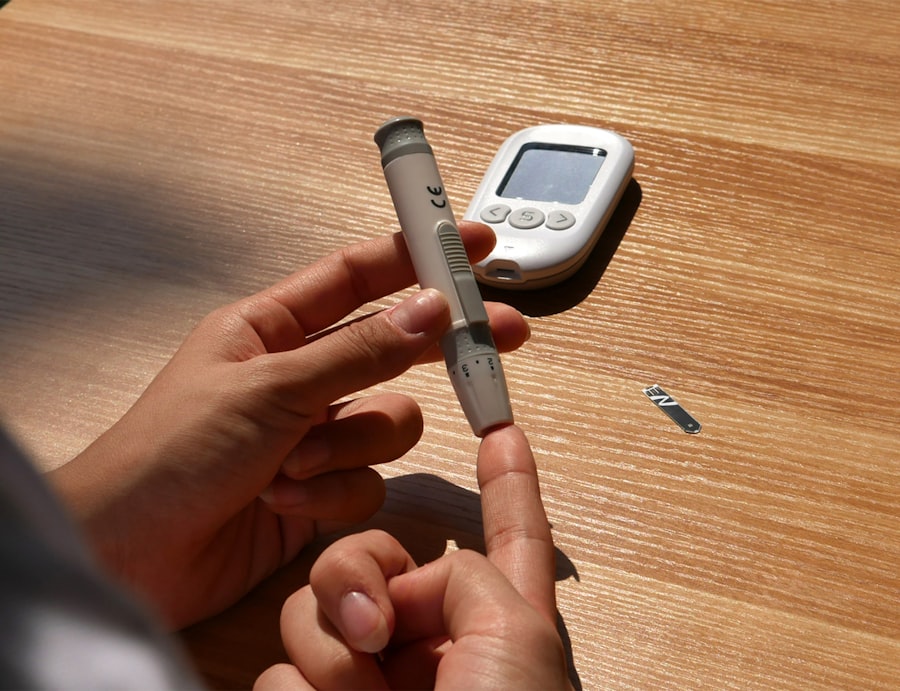
Finger prick tests are common. A small blood sample is used. A glucose meter shows the reading. Your doctor will tell you how often. They will also suggest target ranges.
Continuous Glucose Monitoring (CGM)
CGM devices offer real-time data. A small sensor sits under your skin. It sends readings to a reader or phone. Dexcom G7 is one example. This gives you a full picture. You can see trends and patterns.
Understanding Your Numbers
Normal fasting blood sugar is usually below 100 mg/dL. After meals, it might go up a bit. Doctors typically target 140-180 mg/dL during steroid use. This range balances control and comfort. Your doctor sets your exact goal.
Recognizing High and Low Sugar
High blood sugar (hyperglycemia) can cause thirst. You might feel tired. Frequent urination is common. Low blood sugar (hypoglycemia) can make you shaky. You might feel dizzy or confused. Knowing these signs is crucial.
Immediate Steps When Starting Steroids
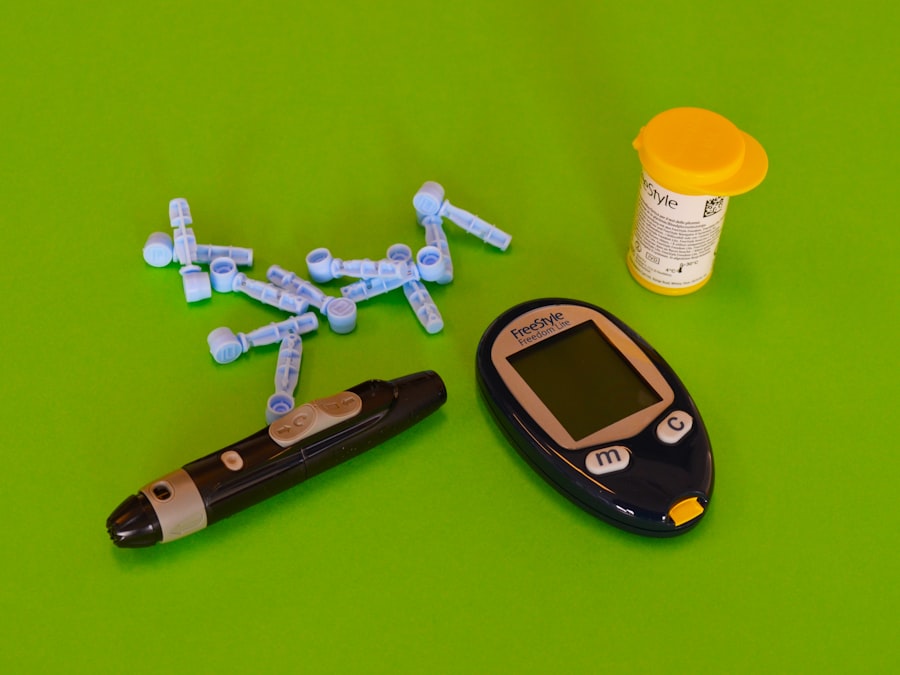
When your doctor prescribes steroids, talk about blood sugar. They will likely tell you to monitor it. It is important to start checking right away. This proactive approach is best.
Timing of Insulin Dosing
Insulin might be needed on day one. It should align with steroid doses. NPH insulin is often used. It matches prednisone’s daily schedule. Long-acting insulin like glargine is another option. This is for when steroids are taken twice daily.
Using Rapid-Acting Insulin
Rapid-acting insulin works quickly. It helps manage sugar after meals. You may need larger mealtime doses. These are often more than your base insulin. Your doctor determines the dose.
Example Scenario
Imagine you take prednisone each morning. You check your sugar before lunch. It is higher than usual. This is when rapid-acting insulin helps. A small dose can bring it down.
Dietary Adjustments for Blood Sugar Control
Food plays a major role. What you eat impacts your sugar levels. Certain foods help, others hinder. Making smart choices is powerful.
Balanced Meal Timing
Eat regular meals and snacks. Avoid skipping meals. This keeps your sugar more stable. Your body learns a rhythm.
Carbohydrate Management
Carbohydrates break down into sugar. Choose complex carbs when possible. Whole grains and vegetables are good. Limit simple sugars like candy. Starchy foods are okay but portioned.
Hydration is Important
Drink plenty of water. Dehydration can affect blood sugar. Water helps your kidneys clear excess sugar. Aim for regular sips throughout the day.
Foods to Limit
Sugary drinks are a major culprit. Sodas, juices, and sweet teas add up. Baked goods and processed snacks can also spike sugar. Focus on whole, unprocessed foods.
Sample Meal Ideas
A balanced breakfast could be oatmeal with berries. Lunch might be a grilled chicken salad. Dinner could feature baked fish with a side of steamed vegetables. These options are nutrient-rich.
Exercise and Activity Levels
| Metrics | Statistics |
|---|---|
| Percentage of patients | 25% |
| Types of blood sugar problems | Hyperglycemia, insulin resistance, diabetes |
| Risk factors | Duration of steroid use, dosage, individual susceptibility |
| Management | Diet control, regular monitoring, medication |
Moving your body helps. Physical activity uses glucose. It makes your body more sensitive to insulin. Even light activity can make a difference.
Gentle Exercise
Walking is a great option. A short 10-15 minute walk after meals helps. It can lower post-meal sugar spikes. You do not need intense workouts.
Consistency Matters
Try to be active most days. Find activities you enjoy. This makes it easier to stick with. Yoga or gentle stretching are also beneficial.
When to Be Cautious
If your sugar is very high, ask your doctor. Some activities might not be suitable then. They will give you personalized advice.
Gradual Tapering of Insulin
As you stop steroids, your insulin needs change. Your doctor will reduce your insulin dose. This prevents your sugar from dropping too low.
Avoiding Hypoglycemia
When steroids are out of your system, your body responds better. Insulin can become too strong. This can cause dangerous low blood sugar. Tapering insulin is a careful process. Your doctor monitors you closely.
Transitioning Back to Normal
Most people return to normal blood sugar. This happens after steroids are stopped. Your doctor will guide this transition. They adjust your insulin based on your readings. The goal is a smooth return.
Long-Term Monitoring
Even after stopping steroids, check in. Your doctor may want to check your HbA1c. This test shows your average sugar over time. It helps ensure everything is back on track.
Working With Your Healthcare Team
Your doctor and nurses are your partners. They offer expert guidance. Do not hesitate to ask them questions. Open communication is vital.
Sharing Your Readings
Let your healthcare team see your sugar logs. They use this information to help you. Online portals can make sharing easy. Your CGM can also share data directly.
Understanding Your Treatment Plan
Make sure you understand the plan. Know why you take certain medicines. Understand the recommended diet and activity. If anything is unclear, ask.
Recognizing When to Seek Help
Know the signs of high and low sugar. If you feel unwell, contact your doctor. They can advise you on next steps. Do not wait if you are concerned.
Education is Power
Learning about managing your blood sugar is empowering. It gives you control. Your healthcare team provides this education. Take advantage of their knowledge.
Key Takeaways for Managing Your Blood Sugar
Managing blood sugar with steroids requires attention. It is a manageable challenge. Focus on monitoring and working with your doctor. Simple lifestyle changes make a big difference.
Proactive Monitoring
Start checking your blood sugar early. Use your meter or CGM. This is your best tool for understanding. It guides all your decisions.
Dietary Choices
Make smart food choices daily. Regular meals with balanced carbs help. Limit sugary items and drinks. Stay well-hydrated.
Regular Activity
Incorporate movement into your day. Even short walks are beneficial. This helps your body use glucose efficiently.
Communication with Your Doctor
Keep your doctor informed. Share your readings and concerns. They will adjust your plan as needed. Together, you can manage this effectively.
Patience and Persistence
It takes time to adjust. Be patient with yourself and your body. Consistent effort yields positive results. You can achieve good blood sugar control.
FAQs
What are the common blood sugar problems associated with steroid use?
Common blood sugar problems associated with steroid use include hyperglycemia (high blood sugar) and steroid-induced diabetes. Steroids can cause the body to become resistant to insulin, leading to elevated blood sugar levels.
How do steroids affect blood sugar levels?
Steroids can increase blood sugar levels by promoting glucose production in the liver and reducing the body’s sensitivity to insulin. This can lead to insulin resistance and impaired glucose tolerance, resulting in elevated blood sugar levels.
What are the symptoms of blood sugar problems after steroid use?
Symptoms of blood sugar problems after steroid use may include increased thirst, frequent urination, fatigue, blurred vision, and slow wound healing. In severe cases, hyperglycemia can lead to diabetic ketoacidosis, a life-threatening condition.
How can blood sugar problems after steroid use be managed?
Blood sugar problems after steroid use can be managed through lifestyle modifications, such as a healthy diet, regular exercise, and weight management. In some cases, medication may be necessary to control blood sugar levels. It is important to work closely with a healthcare provider to develop a personalized management plan.
Are there long-term effects of blood sugar problems after steroid use?
Long-term effects of blood sugar problems after steroid use may include an increased risk of developing type 2 diabetes, cardiovascular disease, and other complications related to chronic high blood sugar levels. It is important for individuals who have used steroids to monitor their blood sugar levels and seek medical attention if any issues arise.