
Feeling a bit off after a steroid cycle? Your body’s sugar control might be out of sync. This guide helps you understand and improve how your body uses insulin. You can regain your balance and feel better.
Steroids can impact how your body handles sugar. This effect is often temporary. Knowing this helps you manage it effectively.
How Steroids Affect Insulin Sensitivity
Steroids, especially glucocorticoids, can make your cells less responsive to insulin. Insulin normally helps sugar enter your cells for energy. When cells resist insulin, sugar builds up in your blood. This is often called insulin resistance.
This resistance develops quickly. It appears within four hours of taking steroids. It stays consistent during your steroid use. The good news is, it also resolves rapidly. Your body starts to recover soon after you stop taking steroids.
Differentiating Steroid Types
Different steroids have varying impacts. Glucocorticoids are known for their strong effect on blood sugar. Anabolic steroids can also affect hormone balance. Both types require careful management.
Rapid Recovery After Steroid Discontinuation
Your body is remarkably resilient. The good news is, insulin resistance linked to steroids often resolves quickly. This speedy recovery is an important factor.
The Swift Resolution Timeline
Insulin needs decline rapidly after stopping steroids. This quick change is crucial. It means you must adjust insulin doses promptly. This prevents your blood sugar from dropping too low.
Hypoglycemia, or low blood sugar, is a risk. Careful monitoring helps avoid it. Your healthcare provider can guide dosage changes.
Importance of Prompt Adjustments
Sudden changes in insulin sensitivity demand attention. Do not continue your current insulin dose for long. Discuss new doses with your doctor immediately. This proactive approach ensures your safety. It helps maintain stable blood sugar levels.
Managing Insulin During Tapering
Tapering off steroids requires careful management. Your body adjusts as the steroid dose lowers. This period needs specific attention to blood sugar.
Tailored Insulin Strategies
Different steroids may require different insulin types. For prednisone, NPH insulin is often used. For dexamethasone, a long-acting basal insulin may be better. Your doctor will choose the best option for you.
Daily Glucose Monitoring
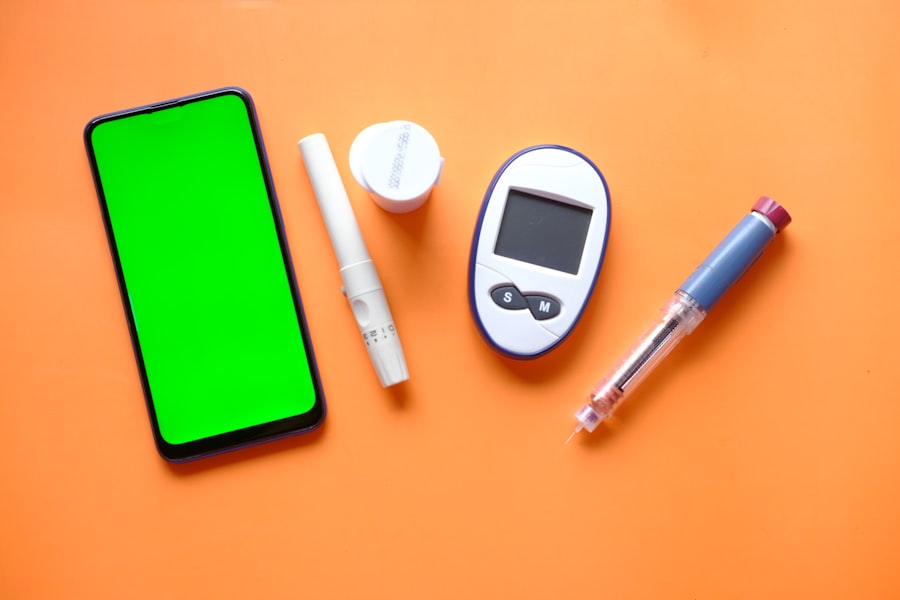
Monitoring your blood glucose daily is essential. Aim for a target range of 140-180 mg/dL. This range helps prevent complications. Keep a log of your readings. Share this with your healthcare provider.
Cumulative Effects and Timely Intervention
Steroid effects on blood sugar are cumulative. This means they build up over time. Start insulin on the same day you begin steroids. This proactive step helps manage blood sugar from the start.
Post-Cycle Therapy (PCT) for Anabolic Steroids
Anabolic steroid cycles require careful post-cycle therapy. PCT aims to restore your body’s natural hormone balance. This process also supports blood sugar normalization.
Hormonal Balance Restoration
PCT helps your body restart its own hormone production. Anabolic steroids suppress natural testosterone. PCT medications encourage your body to produce it again. This balance is key for overall health.
Impact on Blood Sugar Normalization
Restoring hormone balance helps insulin work better. Your blood sugar levels will likely normalize faster. This can happen within days to weeks. The exact time varies for each person.
Influencing Factors for Recovery
Several factors affect recovery speed. Your age plays a role. Your diet and overall health are also important. These individual differences mean recovery times vary. A healthy lifestyle supports quicker recovery.
Lifestyle Interventions for Insulin Sensitivity
| Methods to Restore Insulin Sensitivity After Steroid Cycle | Effectiveness |
|---|---|
| Regular Exercise | High |
| Healthy Diet (low in sugar and processed foods) | High |
| Weight Loss (if overweight) | High |
| Supplements (e.g. alpha-lipoic acid, chromium) | Moderate |
| Medication (e.g. metformin) | High |
Your daily habits significantly impact insulin sensitivity. Simple changes can make a big difference. Focus on diet and exercise.
Balanced Dietary Choices
A balanced diet is crucial. Include complex carbohydrates. Think whole grains, fruits, and vegetables. Lean proteins are also important. Choose chicken, fish, or plant-based options. Healthy fats from avocados and nuts are beneficial.
Timing your carbohydrate intake can help. Consider having carbs around your workouts. This strategy provides energy when your body needs it most. It also helps your body use sugar more efficiently.
Portion control matters. Eat appropriate amounts of food. This prevents blood sugar spikes. Drink plenty of water. Hydration supports overall metabolic health.
The Role of Exercise
Regular physical activity boosts insulin sensitivity. You do not need intense workouts. Light to moderate exercise is very effective. Brisk walking, cycling, or swimming are great options.
Aim for consistent activity. Even short bursts throughout the day help. Exercise helps your muscles use glucose. This directly improves your body’s response to insulin.
Practical Dietary Tips
- Prioritize whole foods: Choose unprocessed foods. They provide fiber and nutrients.
- Balance macros: Combine protein, carbs, and fats at each meal. This stabilizes blood sugar.
- Stay hydrated: Water aids metabolic processes.
- Mindful eating: Pay attention to hunger and fullness cues.
Effective Exercise Strategies
- Start small: Begin with short walks. Gradually increase duration or intensity.
- Find enjoyable activities: You are more likely to stick with what you like.
- Consistency over intensity: Regular, moderate movement is more beneficial than sporadic, intense sessions.
- Include strength training: Building muscle helps improve glucose uptake.
Testosterone Therapy Benefits (for Specific Cases)
Testosterone therapy can benefit certain individuals. It is not for everyone. This applies to men with specific conditions.
Addressing Low Testosterone and Diabetes
Men with low testosterone, type 2 diabetes, and hypogonadism may benefit. Hypogonadism means your body does not produce enough testosterone. In these specific cases, testosterone therapy shows promise.
Mechanisms of Improvement
Testosterone therapy can increase a protein called AMPKα. This protein is involved in energy metabolism. Increased AMPKα expression and phosphorylation are positive signs. This indicates improved cellular energy regulation.
Therapy also reduces fat mass. It helps increase lean muscle mass. Less body fat and more muscle improve insulin sensitivity. These changes contribute to better blood sugar control.
Significant Insulin Sensitivity Gains
Studies show noticeable improvements. Insulin sensitivity can increase by about 32%. This often occurs over 22-24 weeks of therapy. This improvement is substantial for eligible individuals. Always consult a doctor for personalized advice.
Who Might Qualify for Testosterone Therapy?
Testosterone therapy is not a general solution for insulin resistance. It targets specific medical needs.
- Diagnosed hypogonadism: A confirmed medical condition where the testes do not produce enough testosterone.
- Type 2 Diabetes: Diagnosis of type 2 diabetes by a healthcare professional.
- Low testosterone levels: Blood tests confirm consistently low testosterone.
Your doctor will conduct thorough evaluations. They will determine if this therapy is appropriate. Self-medication is never advisable.
Maintaining Long-Term Health
Restoring insulin sensitivity is an ongoing journey. Sustainable habits lead to lasting health. Focus on consistency and prevention.
Continuous Lifestyle Management
After regaining sensitivity, maintain your healthy routines. Regular exercise and balanced nutrition are key. These choices prevent a return of insulin resistance. They also support overall well-being.
Regular Health Check-ups
Schedule regular visits with your doctor. They can monitor your blood sugar and hormone levels. Early detection of any issues is important. This proactive approach helps keep you healthy.
Empowering Your Health Journey
Understanding your body empowers you. You can make informed choices daily. These choices impact your metabolic health significantly. Take an active role in your health management.
FAQs
1. What is insulin sensitivity and why is it important?
Insulin sensitivity refers to how sensitive your cells are to the effects of insulin. It is important because it determines how effectively your body can regulate blood sugar levels and use glucose for energy. Poor insulin sensitivity can lead to health issues such as type 2 diabetes and obesity.
2. How does a steroid cycle affect insulin sensitivity?
Steroid use can decrease insulin sensitivity, leading to higher blood sugar levels and an increased risk of insulin resistance. This is due to the impact of steroids on glucose metabolism and the body’s response to insulin.
3. What are some strategies to restore insulin sensitivity after a steroid cycle?
Strategies to restore insulin sensitivity after a steroid cycle include regular exercise, a balanced diet with a focus on whole foods and complex carbohydrates, adequate sleep, and avoiding excessive sugar and processed foods. Additionally, certain supplements and medications may be prescribed by a healthcare professional to help improve insulin sensitivity.
4. How long does it take to restore insulin sensitivity after a steroid cycle?
The time it takes to restore insulin sensitivity after a steroid cycle can vary depending on individual factors such as the duration and dosage of steroid use, overall health, and adherence to lifestyle changes. It may take several weeks to months to fully restore insulin sensitivity.
5. Are there any long-term effects on insulin sensitivity from steroid use?
Long-term steroid use can have lasting effects on insulin sensitivity, potentially leading to chronic conditions such as type 2 diabetes and metabolic syndrome. It is important to prioritize lifestyle changes and seek medical guidance to mitigate these potential long-term effects.