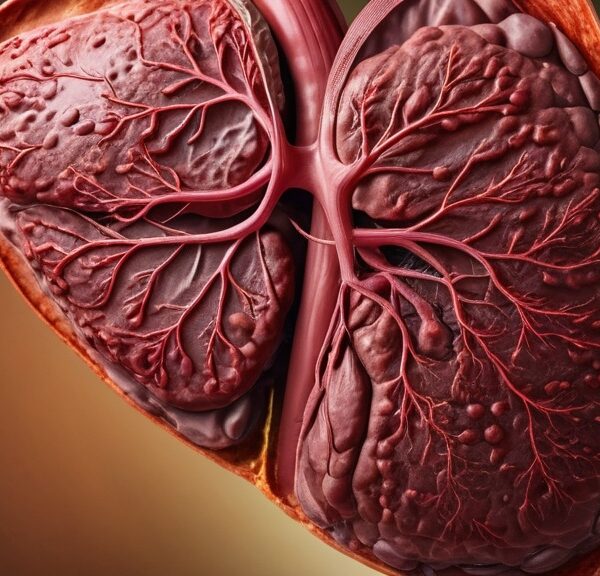

Imagine your liver as a tireless factory. It processes everything you eat and drink. Now, picture a hazardous material entering the factory. This material can disrupt the delicate machinery, leading to serious problems. This is what can happen when certain substances are used and affect your liver.
Your liver performs hundreds of essential jobs. It detoxifies your blood. It creates bile to digest fats. It stores energy and makes important proteins. A healthy liver is crucial for your overall well-being. It’s like the body’s master chemist and disposal unit.
Detoxification Station
The liver acts as your body’s primary filter. It breaks down waste products and toxins. This prevents harmful substances from circulating in your system. Without this, your body would quickly become overwhelmed.
Energy Storage Hub
Your liver stores glucose, the body’s main energy source. It releases this glucose when your body needs quick fuel. This ensures a steady supply of energy for all your activities.
Bile Production Powerhouse
Bile helps your body absorb fats from food. The liver manufactures this vital digestive fluid. Bile also aids in eliminating certain waste products.
Steroids and SARMs: A Risky Combination
Anabolic-androgenic steroids (AAS) and selective androgen receptor modulators (SARMs) are substances some people use for muscle growth. While they may offer desired physical changes, they come with significant risks. These risks can profoundly impact your liver.
How They Affect the Liver
Oral steroids, in particular, can be harsh on the liver. They can cause inflammation and other damage. Even SARMs, often seen as less harmful, can still injure your liver. Both can elevate liver enzymes, signaling distress.
The “Fatty Liver” Connection
Steroids can contribute to a condition called fatty liver disease. They can increase belly fat and make your body less responsive to insulin. This creates an environment where fat can build up in the liver. It’s like leaving too much raw material in the factory, causing blockages.
FDA Warnings: A Cause for Concern
The U.S. Food and Drug Administration (FDA) has issued warnings about SARMs. Unapproved products containing SARMs have caused severe liver injury. Some people have required hospitalization for liver failure. These products can also increase risks for heart problems and stroke.
Understanding Fatty Liver Disease

Fatty liver disease means fat has accumulated in your liver. It is a common condition. However, when caused by certain substances, it can become dangerous.
Types of Fatty Liver
There are two main types. Alcoholic fatty liver disease is linked to heavy alcohol use. Non-alcoholic fatty liver disease (NAFLD) is not caused by alcohol. Substance-induced fatty liver is a category that includes damage from steroids and SARMs.
The Impact of Fat Buildup
When fat builds up, it can interfere with liver function. Over time, this can lead to inflammation. This inflammation is called steatohepatitis. It can scar the liver, a process known as fibrosis.
Advanced Stages of Damage
Severe scarring can lead to cirrhosis. This is irreversible liver damage. Cirrhosis significantly impairs the liver’s ability to perform its essential tasks. It can be life-threatening.
Signs and Symptoms to Watch For
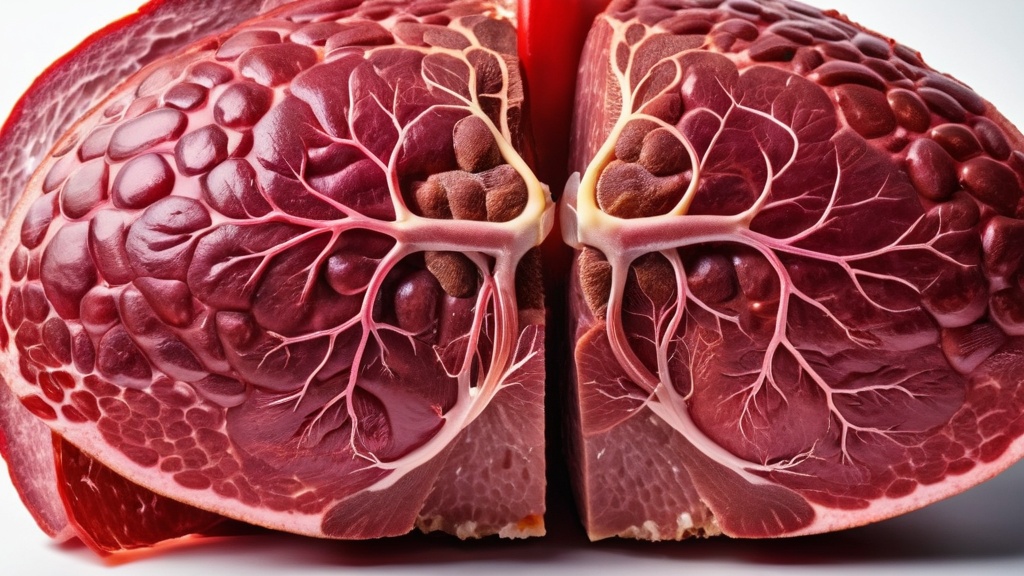
Recognizing the signs of liver distress is important. Your body will often send out signals when something is wrong. Paying attention to these signals can lead to early intervention.
Elevated Liver Enzymes
A routine blood test can reveal elevated liver enzymes. ALT and AST are common markers. High levels suggest liver cells are damaged. It’s like the factory’s alarm system flashing red.
Jaundice and Dark Urine
Jaundice, a yellowing of the skin and eyes, is a serious sign. It occurs when the liver cannot process bilirubin properly. Dark urine can also indicate liver problems. This happens as bilirubin is excreted.
Abdominal Pain and Swelling
Pain in the upper right abdomen can signal liver issues. Swelling in the abdomen, called ascites, is also a concern. This happens when fluid builds up due to impaired liver function.
Fatigue and Nausea
Unexplained fatigue and persistent nausea can be symptoms. Your liver’s work is demanding. When it’s struggling, you may feel drained. Nausea can occur as digestion is affected.
Mitigating Risks and Taking Action
| Study | Number of Participants | Percentage of Participants with Fatty Liver | Conclusion |
|---|---|---|---|
| Study 1 | 100 | 25% | Increased risk of fatty liver after steroid use |
| Study 2 | 75 | 15% | Association between sarm use and fatty liver |
| Study 3 | 120 | 30% | Higher prevalence of fatty liver in steroid users |
If you have used steroids or SARMs, or are considering them, understanding the risks is paramount. Prioritizing your liver health is essential.
Be Wary of Unlicensed Products
Many products marketed for bodybuilding are not regulated. They may contain undisclosed substances like steroids or SARMs. These products can be unpredictable and dangerous. Always choose reputable sources for supplements.
Discuss Use with a Healthcare Provider
If you have used steroids or SARMs, talk to your doctor. They can assess your liver health. They can perform blood tests to check enzyme levels. Open communication is key to managing risks.
Prioritize a Healthy Lifestyle
A balanced diet and regular exercise support liver health. Avoid excessive alcohol consumption. Proper nutrition helps your liver function effectively. It’s like giving the factory the right materials and maintenance.
Monitor Your Health Closely
Regular health check-ups are important. Pay attention to any new symptoms. Early detection of liver problems offers the best chance for successful management. Your health is your most valuable asset. It is worth protecting diligently.
FAQs
What are steroids and SARMs?
Steroids are synthetic drugs that mimic the effects of the male hormone testosterone. SARMs, or selective androgen receptor modulators, are a type of performance-enhancing drug that are similar to steroids but are designed to target specific tissues, such as muscle and bone, with fewer side effects on other parts of the body.
What is fatty liver?
Fatty liver, also known as hepatic steatosis, is a condition where fat accumulates in the liver. This can lead to inflammation and liver damage, and in some cases, can progress to more serious conditions such as cirrhosis or liver cancer.
How are steroids and SARMs linked to fatty liver?
The use of steroids and SARMs has been associated with an increased risk of developing fatty liver disease. This is thought to be due to the effects of these drugs on metabolism and the liver’s ability to process fats.
What are the symptoms of fatty liver after steroid or SARM use?
Symptoms of fatty liver can include fatigue, weakness, weight loss, abdominal pain, and jaundice. However, many people with fatty liver may not have any symptoms, and the condition is often discovered incidentally during routine medical tests.
How can fatty liver after steroid or SARM use be treated?
Treatment for fatty liver after steroid or SARM use involves addressing the underlying cause, such as discontinuing the use of these drugs. Lifestyle changes, such as a healthy diet and regular exercise, may also be recommended to help reduce fat in the liver. In more severe cases, medication or other interventions may be necessary to manage the condition.