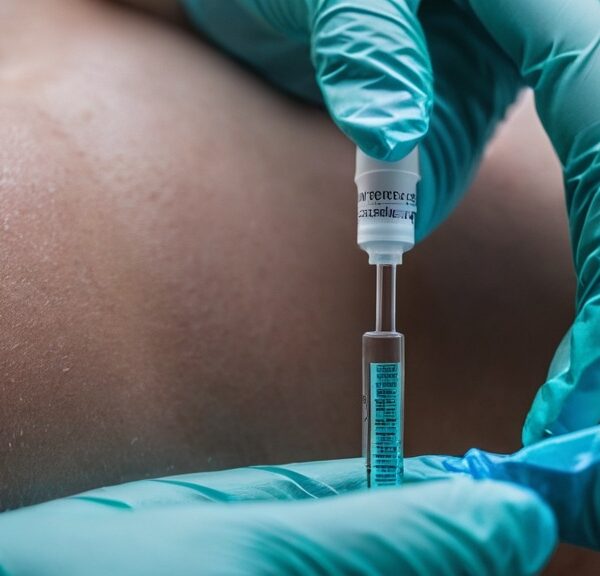

Coming off a steroid cycle can feel like navigating uncharted waters. Your body has been operating under an artificial hormonal landscape, and now it needs to recalibrate. This period, often called Post-Cycle Therapy (PCT), is crucial for restoring your natural testosterone production, safeguarding your organs, and maintaining your hard-earned gains. Understanding the science behind recovery empowers you to make informed decisions for your health and athletic future.
When you introduce synthetic androgens (steroids) into your system, your body’s natural testosterone production shuts down or significantly slows. This happens because your endocrine system, detecting high levels of circulating androgens, interprets this as sufficient and signals the testes to cease their own production. This suppression is a primary concern during “off-cycle” periods.
The Hypothalamic-Pituitary-Testicular Axis (HPTA) Explained
Think of the HPTA as a sophisticated thermostat regulating your body’s hormone levels.
- Hypothalamus: Located in your brain, it releases Gonadotropin-Releasing Hormone (GnRH). Imagine GnRH as the master switch, initiating the entire process.
- Pituitary Gland: In response to GnRH, this gland, also in your brain, releases two crucial hormones: Luteinizing Hormone (LH) and Follicle-Stimulating Hormone (FSH). Consider LH and FSH as messengers carrying instructions.
- Testes: These respond to LH by producing testosterone and to FSH by initiating sperm production. The testes are the factories, manufacturing testosterone based on the messengers’ orders.
During a steroid cycle, the high levels of synthetic hormones send a strong “stop production” signal to both the hypothalamus and the pituitary gland. This effectively turns off the GnRH, LH, and FSH signals, leading to suppressed natural testosterone synthesis. Re-activating this entire cascade is the core objective of natural testosterone recovery.
The Role of Estrogen
While often viewed negatively in bodybuilding, estrogen plays a vital role in men’s health, including bone density, cardiovascular health, and even libido. However, excessive estrogen, often a byproduct of anabolic steroid use through a process called aromatization (where testosterone converts into estrogen), can complicate PCT. High estrogen levels can further suppress natural testosterone production by sending negative feedback to the HPTA. Therefore, managing estrogen becomes a critical component of post-cycle recovery.
Cortisol Considerations
Cortisol, often dubbed the “stress hormone,” increases during strenuous physical activity, caloric deficits, and psychological stress. While essential for acute stress response, chronically elevated cortisol can break down muscle tissue and interfere with testosterone recovery. During PCT, your body experiences physiological stress from hormonal shifts and potentially increased training demands. Keeping cortisol in check helps preserve muscle and promotes a more favorable hormonal environment.
Strategic Interventions for HPTA Re-activation
Successfully restarting your HPTA requires more than just stopping steroid use. Specific strategies and compounds aim to “wake up” your natural testosterone production.
Selective Estrogen Receptor Modulators (SERMs)
SERMs are cornerstone compounds in PCT protocols. They work by blocking estrogen’s effects at certain receptors, particularly in the hypothalamus and pituitary gland.
- Clomiphene Citrate (Clomid): This compound binds to estrogen receptors in the hypothalamus and pituitary, preventing estrogen from exerting its negative feedback. Think of Clomid as creating a “false low” estrogen signal to your brain. This signals the hypothalamus to release GnRH and the pituitary to release LH and FSH, thereby stimulating your testes to produce testosterone. Anecdotal and clinical evidence consistently supports its efficacy in restoring natural testosterone levels.
- Tamoxifen Citrate (Nolvadex): Similar to Clomid, Nolvadex also blocks estrogen receptors, particularly in the pituitary, promoting LH and FSH release. It also offers potential benefits in reducing gynecomastia (enlarged breast tissue in men) by blocking estrogen receptors in breast tissue itself. Many protocols utilize both Clomid and Nolvadex for a synergistic effect, tackling HPTA suppression and potential estrogenic side effects.
The dosage and duration of SERM use vary widely depending on the steroid cycle’s length and compounds used. Consulting a healthcare professional is crucial for tailoring a safe and effective protocol.
Aromatase Inhibitors (AIs) – When and Why
Aromatase inhibitors (AIs) prevent the conversion of androgens into estrogen. While useful during a cycle to manage estrogenic side effects, their use in PCT requires careful consideration.
- Mechanism: AIs like Anastrozole (Arimidex) or Exemestane (Aromasin) directly inhibit the enzyme aromatase, significantly reducing estrogen levels.
- Cautious Approach in PCT: While lowering high estrogen can prevent further HPTA suppression, plummeting estrogen too low can also be detrimental. Men need a baseline level of estrogen for various physiological functions, including healthy cholesterol levels, bone density, and libido. An overly aggressive AI protocol during PCT can exacerbate side effects like joint pain, mood swings, and even impair recovery. AIs should typically be used sparingly and only if estrogen levels are demonstrably elevated and causing issues, as confirmed by blood tests.
Nutritional Pillars for Recovery

Nutrition isn’t merely about feeding your muscles; it’s about providing the raw materials and optimal environment for hormonal balance and overall health.
Macronutrient Optimization
- Adequate Protein: Muscle preservation is paramount during PCT. Aim for a high protein intake (e.g., 0.8-1.2 grams per pound of body weight) to support muscle protein synthesis and mitigate catabolism. Think of protein as the building blocks your body needs to rebuild and repair.
- Healthy Fats (Essential for Hormones): Cholesterol, a type of fat, is a precursor to testosterone and other steroid hormones. Incorporate sources of monounsaturated and polyunsaturated fats, such as avocados, nuts, seeds, olive oil, and fatty fish (omega-3s). These fats are not just energy sources; they are structural components of your hormonal machinery.
- Complex Carbohydrates: Your body needs fuel, especially during a period of stress and recovery. Complex carbohydrates provide sustained energy, prevent excessive cortisol release, and help maintain muscle glycogen stores. Prioritize whole grains, fruits, and vegetables over refined sugars.
Micronutrient Support
- Zinc: Involved in hundreds of enzymatic reactions, zinc is critical for testosterone production and immune function. Deficiency directly correlates with lower testosterone levels. Red meat, poultry, beans, and nuts are good sources.
- Magnesium: Plays a role in muscle function, energy production, bone health, and hormone regulation. Many individuals are magnesium deficient. Green leafy vegetables, nuts, seeds, and whole grains provide magnesium.
- Vitamin D: More of a pro-hormone than a vitamin, Vitamin D receptor sites are found throughout the body, including the testes. Research indicates a strong correlation between adequate Vitamin D levels and healthy testosterone. Sun exposure and fatty fish are prime sources. Oral supplementation is often necessary, particularly in regions with limited sunlight.
- B Vitamins: Essential for energy metabolism and various physiological processes, including neurological function. A comprehensive B-complex can be beneficial.
- Antioxidants (Vitamins C & E): Steroid use can increase oxidative stress. Antioxidants help neutralize free radicals, protecting cellular health and supporting overall recovery. Fruits and vegetables are rich in these compounds.
Training Adaptation During Recovery

Your training approach must evolve during PCT. Pushing your body to its previous limits while dealing with suppressed natural hormones can be counterproductive and increase injury risk.
Shifting Focus to Maintenance and Recovery
- Reduced Volume and Intensity: Expect a temporary decrease in strength and endurance. Adjust your training volume (sets and reps) and intensity (weight lifted) accordingly. Train smart, not just hard. The goal is to stimulate muscles without overtaxing your recovering system.
- Prioritize Compound Movements: Stick to foundational exercises that engage multiple muscle groups, such as squats, deadlifts, bench presses, and rows. These movements are efficient and effective for maintaining overall strength and muscle mass.
- Focus on Form and Injury Prevention: With potentially lower energy and strength, impeccable form becomes even more critical. Prioritize proper technique to minimize injury risk. Recovery is not the time for ego lifting.
- Incorporate Active Recovery: Light cardio, stretching, and foam rolling can enhance blood flow, reduce muscle soreness, and support overall recovery.
The Mind-Muscle Connection
Maintaining focus and motivation can be challenging when your body’s drive is dulled. Reconnect with your training through:
- Mindful Training: Focus on the muscle contraction and controlled movements rather than simply moving weight. This can enhance neural adaptions and improve your appreciation for the training process itself.
- Realistic Expectations: Acknowledge that your performance won’t instantly return to peak cycle levels. Celebrate small victories and focus on consistent effort. Patience is an integral part of this journey.
Psychological and Lifestyle Adjustments
| Metric | Typical Range | Unit | Notes |
|---|---|---|---|
| Serum Testosterone Level (Total) | 300 – 1000 | ng/dL | Normal adult male range; recovery aims to restore within this range |
| Serum Testosterone Level (Free) | 5 – 21 | ng/dL | Bioavailable testosterone; important for physiological effects |
| Luteinizing Hormone (LH) | 1.8 – 8.6 | mIU/mL | Stimulates testosterone production; recovery often shows increased LH |
| Follicle Stimulating Hormone (FSH) | 1.5 – 12.4 | mIU/mL | Supports spermatogenesis; may rise during recovery |
| Recovery Timeframe | 3 – 6 | Months | Typical duration for natural testosterone levels to normalize post-suppression |
| Testosterone Recovery Rate | 10 – 20 | ng/dL per week | Average increase in serum testosterone during recovery phase |
| Symptoms Improvement | 4 – 8 | Weeks | Timeframe for noticeable symptom relief during recovery |
Recovery extends beyond the physical. The psychological impact of hormonal fluctuations and perceived loss of strength can be significant.
Managing Mood and Motivation
- Acknowledge Emotional Impact: Hormonal shifts during PCT can lead to mood swings, irritability, and even depressive symptoms. Recognize these feelings as a physiological response rather than a personal failing.
- Seek Social Support: Connect with trusted friends, coaches, or a supportive community. Sharing your experiences can provide validation and reduce feelings of isolation.
- Mindfulness and Stress Reduction: Practices like meditation, deep breathing exercises, or spending time in nature can help manage stress and improve mental well-being. Keeping cortisol levels in check, as mentioned earlier, is crucial.
- Set Realistic Goals: Focus on health and sustainable progress rather than chasing immediate gains. Redefine success during this phase.
Quality Sleep
Sleep is a cornerstone of recovery. During deep sleep, your body releases growth hormone and repairs tissues. Insufficient sleep elevates cortisol, impairs immune function, and negatively impacts testosterone recovery.
- Prioritize 7-9 Hours: Aim for consistent sleep duration.
- Establish a Routine: Go to bed and wake up around the same time each day, even on weekends.
- Optimize Sleep Environment: Ensure your bedroom is dark, quiet, and cool. Avoid screens before bed.
Hydration
Water is essential for every bodily function, including metabolic processes, nutrient transport, and hormonal signaling. Dehydration can impair performance, exacerbate fatigue, and stress your system. Carry a water bottle and sip throughout the day. Aim for adequate intake, which varies based on activity level and climate, but generally 8-10 glasses or more daily.
Professional Medical Guidance and Monitoring
Navigating PCT independently carries significant risks. Professional medical guidance is not merely recommended; it is essential for safe and effective recovery.
The Necessity of Blood Work
Blood tests are your report card for recovery. They provide objective data on your hormonal status and general health.
- Baseline Testing (Pre-Cycle): Ideally, you should have pre-cycle blood work to establish your natural hormonal baseline. This provides a reference point for recovery.
- During PCT: Regular blood tests (e.g., every 2-4 weeks initially, then less frequently) allow you to monitor key markers:
- Total and Free Testosterone: Directly measures your body’s testosterone levels.
- LH & FSH: Indicates how well your pituitary gland is communicating with your testes. Elevated LH and FSH with low testosterone suggest testicular failure, while low LH and FSH with low testosterone suggest HPTA suppression.
- Estradiol (E2): Measures estrogen levels, crucial for determining if an AI is necessary or if estrogen is too low.
- Prolactin: Elevated prolactin can suppress testosterone and cause sexual dysfunction.
- Lipid Panel: Steroid use often negatively impacts cholesterol (LDL and HDL). Monitoring this is vital for cardiovascular health.
- Liver Enzymes (ALT, AST): To assess liver health, especially with oral steroid use.
- Kidney Function (Creatinine, BUN): To monitor kidney health.
Interpreting these results requires clinical expertise. A doctor can adjust your PCT protocol, if necessary, based on your individual response.
Consulting an Endocrinologist or Urologist
These specialists possess in-depth knowledge of hormonal systems and can provide tailored advice. They can:
- Diagnose Persistent Hypogonadism: If natural testosterone production doesn’t recover within a reasonable timeframe (e.g., several months), a specialist can diagnose post-anabolic steroid hypogonadism and discuss long-term management options.
- Address Specific Concerns: They can help manage symptoms like persistent low libido, erectile dysfunction, or mood disturbances that may not resolve with standard PCT.
- Provide Overall Health Guidance: Beyond hormones, they can advise on comprehensive health strategies affected by previous steroid use.
Recovery from a steroid cycle is a complex process demanding patience, discipline, and a scientific approach. By understanding your body’s hormonal mechanisms, implementing strategic nutritional and training protocols, addressing psychological well-being, and most importantly, collaborating with medical professionals, you can optimize your chances of achieving a successful and sustainable return to natural health and performance. Remember, preserving your long-term health should always be the ultimate priority.
FAQs
What is natural testosterone recovery?
Natural testosterone recovery refers to the process of restoring the body’s testosterone levels to a normal or optimal range without the use of synthetic hormones or medications. This can involve lifestyle changes, diet, exercise, and other natural methods.
What are common causes of low testosterone that might require recovery?
Common causes of low testosterone include aging, stress, poor diet, lack of exercise, certain medical conditions, and the use of anabolic steroids or other medications that suppress natural hormone production.
How can diet influence natural testosterone recovery?
A balanced diet rich in healthy fats, proteins, vitamins (such as vitamin D and zinc), and minerals supports hormone production. Avoiding excessive sugar and processed foods can also help maintain healthy testosterone levels.
What role does exercise play in natural testosterone recovery?
Regular physical activity, especially resistance training and high-intensity interval training (HIIT), has been shown to boost testosterone levels naturally. Exercise also helps reduce body fat, which can improve hormone balance.
How long does natural testosterone recovery typically take?
The time frame for natural testosterone recovery varies depending on individual factors such as age, overall health, and the severity of testosterone suppression. It can take several weeks to months of consistent lifestyle changes to see significant improvements.