
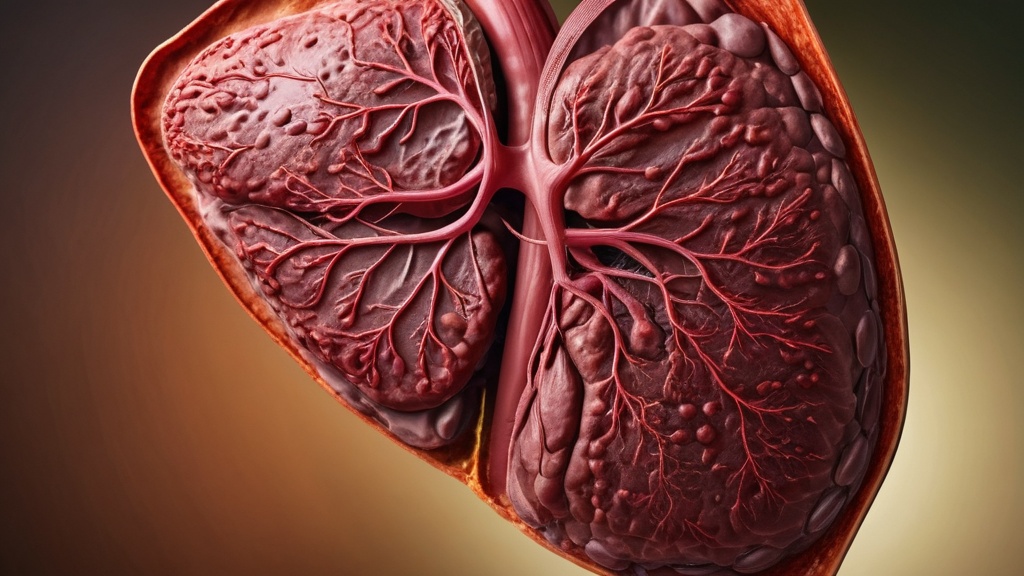
Anabolic steroids promise gains, but your liver might pay the price. This vital organ works hard, filtering your blood. When steroids enter the picture, they can overload this filter. Recognizing the warning signs is crucial for your health.
Anabolic steroids are synthetic versions of testosterone. Doctors sometimes prescribe them for medical reasons. However, people often misuse them to build muscle. This misuse can lead to serious liver problems. Your liver processes everything you consume. Steroids add a heavy workload.
What Are Anabolic Steroids?
These are man-made drugs. They mimic the effects of male hormones. Their primary use in medicine is limited. They can treat conditions like delayed puberty. Bodybuilders and athletes sometimes use them illegally. This use is for enhancing performance and physique.
How Steroids Harm the Liver
Liver cells can become stressed by steroids. They may become inflamed. Some steroids are “hepatotoxic.” This means they are directly poisonous to the liver. This damage can be temporary or permanent. It depends on the drug, dose, and duration of use.
The Liver’s Role in Your Body
Think of your liver as your body’s master chemist. It detoxifies harmful substances. It also produces essential proteins and bile. Bile helps digest fats. Without a healthy liver, many bodily functions falter. It is a powerful yet sensitive organ.
Early Warning Signs of Liver Trouble
Your liver often sends subtle signals. These signs can appear before major problems arise. Paying attention to common symptoms is key. Ignoring them can allow damage to worsen.
Changes in Your Energy Levels
Feeling unusually tired is a common symptom. Your liver works hard processing steroids. This process consumes energy. You might feel drained even with good sleep. It is like your body’s battery is running low.
Digestive Upsets
Nausea and vomiting can occur. You might lose your appetite. Food might not seem appealing anymore. Your liver plays a role in digestion. When it is stressed, this system suffers.
Abdominal Discomfort
Pain in your upper right abdomen is notable. This is where your liver is located. It might feel like a dull ache or sharp pain. Swelling in this area can also happen. This indicates the liver may be enlarged.
Visible Signs of Liver Stress
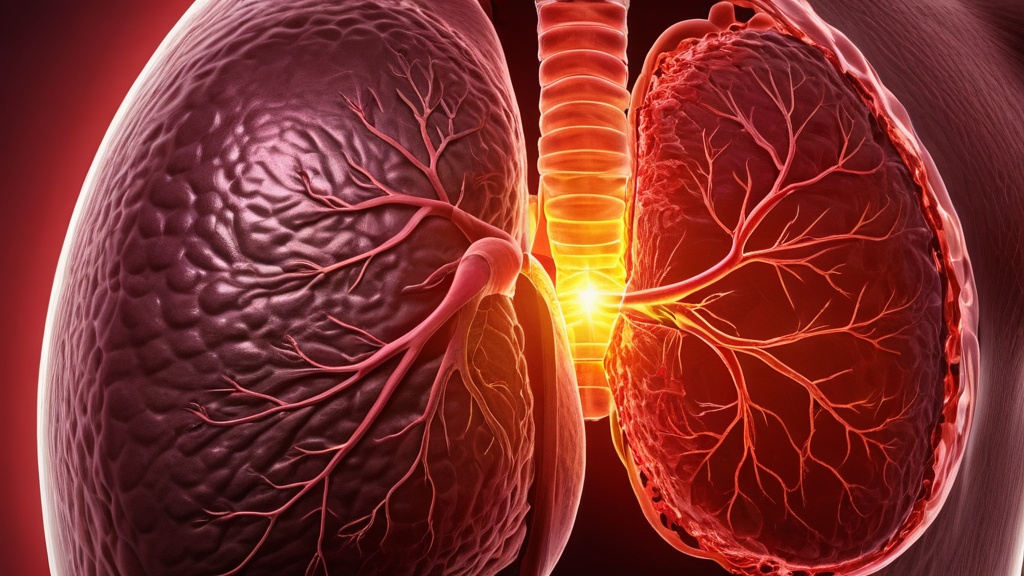
Some liver damage shows itself externally. These signs are often more alarming. They demand immediate attention.
Jaundice: A Yellow Hue
Jaundice is a classic sign of liver distress. Your skin and the whites of your eyes turn yellow. This happens when bilirubin builds up. Bilirubin is a waste product your liver usually processes. Yellowing skin is a red flag.
Changes in Urine and Stool
Your urine may become darker than usual. Think of dark tea or cola. Your stools might become pale or clay-colored. This indicates bile isn’t reaching your intestines properly. It is a clear sign your liver is struggling.
Itching Sensations
Unexplained itching can occur all over your body. This is also linked to bilirubin buildup. It can be very uncomfortable. The itching might worsen at night.
Beyond the Obvious: Subtle and Serious Indicators
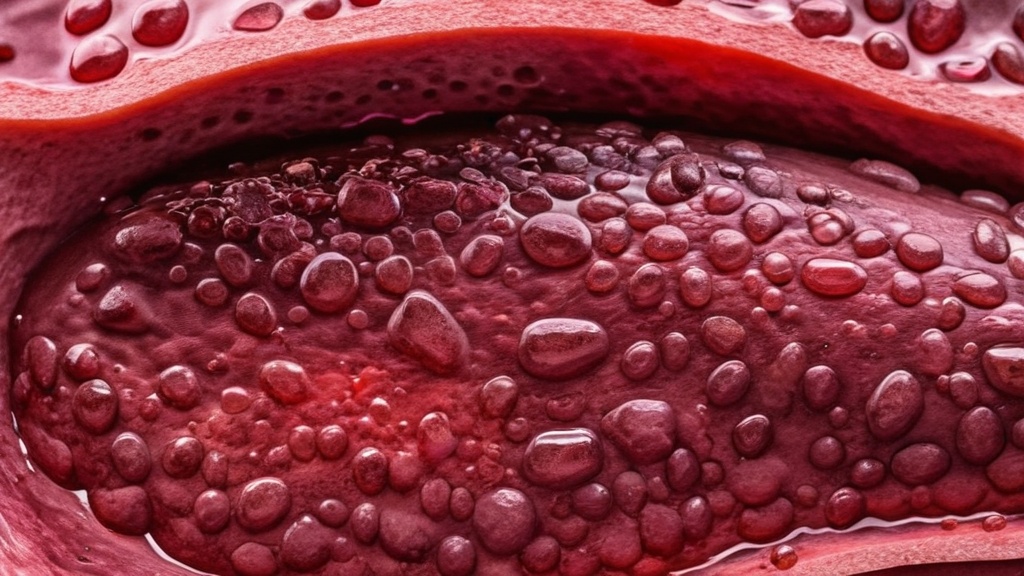
Liver damage can progress beyond initial symptoms. Some signs are less visible but equally serious.
Elevated Liver Enzymes
Doctors use blood tests for this. They measure enzymes like ALT and AST. High levels suggest liver cell damage. Think of these enzymes as leakage from damaged cells. These tests are crucial for monitoring.
Changes in Cholesterol Levels
Steroid use often affects cholesterol. Your “good” cholesterol (HDL) may drop. Your “bad” cholesterol (LDL) might rise. This increases your risk of heart problems. It is another indirect sign of metabolic strain.
Peliotic Hepatis and Tumors
In severe cases, blood-filled cysts can form. This is called peliosis hepatis. Tumors can also develop in the liver. These are serious conditions requiring immediate medical care. They can drastically impair liver function.
Taking Action: When to Seek Medical Help
| Symptom | Description | Commonality | Severity | Typical Onset Time |
|---|---|---|---|---|
| Jaundice | Yellowing of skin and eyes due to bilirubin buildup | Moderate | Severe | 2-4 weeks after cycle |
| Abdominal Pain | Discomfort or pain in the upper right abdomen | Common | Moderate | During or shortly after cycle |
| Fatigue | Persistent tiredness and weakness | Common | Mild to Moderate | During and after cycle |
| Dark Urine | Urine appears darker due to liver dysfunction | Moderate | Moderate | 2-3 weeks after cycle |
| Nausea and Vomiting | Feeling sick and vomiting due to liver irritation | Common | Moderate | During cycle |
| Swelling (Edema) | Fluid retention causing swelling in legs or abdomen | Less Common | Moderate to Severe | After cycle |
| Itching | Skin itching due to bile salt accumulation | Less Common | Mild to Moderate | After cycle |
| Elevated Liver Enzymes | Detected via blood tests indicating liver stress | Common | Varies | During and after cycle |
Your health is paramount. Do not ignore symptoms of liver stress. Early intervention is vital.
Immediate Steps if Severe Symptoms Occur
If you experience severe pain, jaundice, or vomiting, stop steroid use immediately. Seek emergency medical attention. Do not delay. A damaged liver needs professional care.
The Importance of Medical Evaluation
Always consult a doctor if you suspect liver damage. They can perform liver function tests. They will assess your symptoms thoroughly. This evaluation guides the best treatment plan.
Lifestyle Modifications for Liver Health
If you are using steroids, stopping is the best step for your liver. Avoid alcohol and acetaminophen. These substances also stress the liver. Rest and proper nutrition are also important. Your liver needs support to heal.
When to Consider Further Treatment
Your doctor might recommend specific treatments. This could include corticosteroids if inflammation is high. They will monitor your liver’s recovery closely. Trust their guidance for your well-being.
FAQs
What are common symptoms of liver damage after a steroid cycle?
Common symptoms include jaundice (yellowing of the skin and eyes), dark urine, fatigue, nausea, abdominal pain or swelling, and unexplained weight loss. These signs may indicate liver stress or damage following steroid use.
How soon can liver damage symptoms appear after completing a steroid cycle?
Symptoms can appear anywhere from a few days to several weeks after finishing a steroid cycle, depending on the severity of liver stress and individual factors such as dosage and duration of steroid use.
Can liver damage from steroids be reversed?
In many cases, mild liver damage caused by steroids can be reversed with proper medical treatment and cessation of steroid use. However, severe or prolonged damage may lead to permanent liver impairment.
What should I do if I suspect liver damage after a steroid cycle?
If you experience symptoms of liver damage, it is important to seek medical evaluation promptly. A healthcare professional can perform liver function tests and recommend appropriate treatment or lifestyle changes.
Are certain steroids more likely to cause liver damage?
Yes, oral anabolic steroids, especially 17-alpha-alkylated steroids, are more hepatotoxic and carry a higher risk of liver damage compared to injectable steroids. The risk also increases with higher doses and longer cycles.