

Imagine a simple stumble turning into a sidelined game. Or a childhood fall leaving lasting aches. Injuries happen. But what if we could tilt the odds in our favor? Understanding how to prevent them and speed up recovery is powerful. It means more time doing what you love, without pain.
Prevention is key to staying active. It’s about smart choices before an injury occurs. This approach builds resilience. It reduces your risk of pain and downtime.
Understanding Your Risks
Everyone has unique risk factors for injury. These can be physical or environmental. Knowing them helps you target your prevention efforts. Sports, hobbies, and daily activities all play a role.
Physical Readiness
Your body’s fitness level matters greatly. Strong muscles support your joints. Good flexibility allows for freer movement. Regular exercise builds this readiness. It prepares your body for demands.
Environmental Awareness
Your surroundings can pose risks. Uneven pavements might lead to falls. Poorly lit areas increase accident potential. Being aware of your environment helps you avoid hazards. A simple glance around can save you.
Smart Movement Practices
How you move impacts injury risk. Proper technique is crucial. This applies to sports and everyday tasks alike. Learning safe movement patterns protects your body.
Biomechanics in Action
Biomechanics studies how your body moves. Analyzing your gait can reveal issues. Adjusting your running cadence helps. This reduces stress on your knees and hips. It’s like fine-tuning an engine.
Neuromuscular Training
This training strengthens the connection between your brain and muscles. It improves coordination and balance. Exercises like single-leg stands are beneficial. They help prevent falls and twists.
The Power of Equipment and Environment
The right gear and setting matter. Always use appropriate protective equipment. Ensure your workspace is safe and ergonomic. These elements significantly reduce accidental injury.
Supportive Footwear
Shoes provide essential support. Proper fit prevents foot and ankle pain. Choose footwear suited for your activity. Replace worn-out shoes promptly. They offer less protection when degraded.
Safe Activity Spaces
Clearance and good lighting prevent trips. Well-maintained surfaces reduce slips. Ensure your exercise area is safe. This applies from home gyms to public parks.
The Role of Technology and Data
Technology offers new ways to prevent injuries. Wearable devices track your activity. Artificial intelligence analyzes this data. It can predict risks before they arise.
Wearables for Monitoring
Smartwatches and fitness trackers capture valuable data. They monitor training load, sleep, and heart rate. This information helps gauge your body’s stress. It signals when you might need rest.
AI-Driven Insights
AI can process complex data patterns. It identifies subtle trends in your movement. This helps predict potential issues. It allows for early intervention. This advances personalized care.
Recovering Wisely: The Path Back to Health
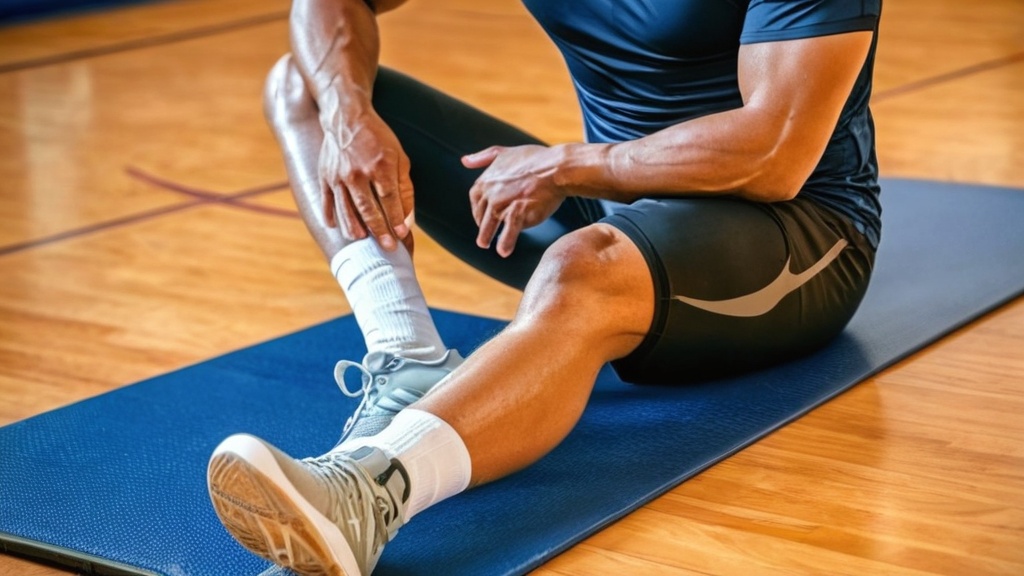
When injuries do happen, smart recovery is vital. It’s not just about rest. It involves a structured approach. The goal is a safe and complete return.
Structured Rehabilitation Programs
Rehab programs guide your healing process. They are designed to be progressive. You gradually increase intensity and complexity. This rebuilds strength and function.
Gradual Workload Management
Overdoing it too soon is risky. Gradually reintroduce activity. Monitor your body’s response. This approach prevents setbacks. It ensures sustainable progress.
Symptom Monitoring
Pay attention to how you feel. Report any increased pain or swelling. Your physical therapist will adjust your plan. This ensures your recovery stays on track.
The Importance of Recovery Status
Your body needs time to heal. Adequate rest is crucial for repair. Poor sleep significantly raises injury risk. It also hinders recovery. Prioritize sleep for better outcomes.
Sleep as a Recovery Tool
Quality sleep is a powerful healer. It allows your tissues to repair. Aim for 7-9 hours of sleep per night. This is especially important for young athletes. It aids in physical and mental recovery.
Nutrition and Hydration
Fueling your body properly supports healing. Ensure adequate protein intake for tissue repair. Stay well-hydrated throughout the day. Water is essential for all bodily functions.
New Frontiers in Recovery Techniques
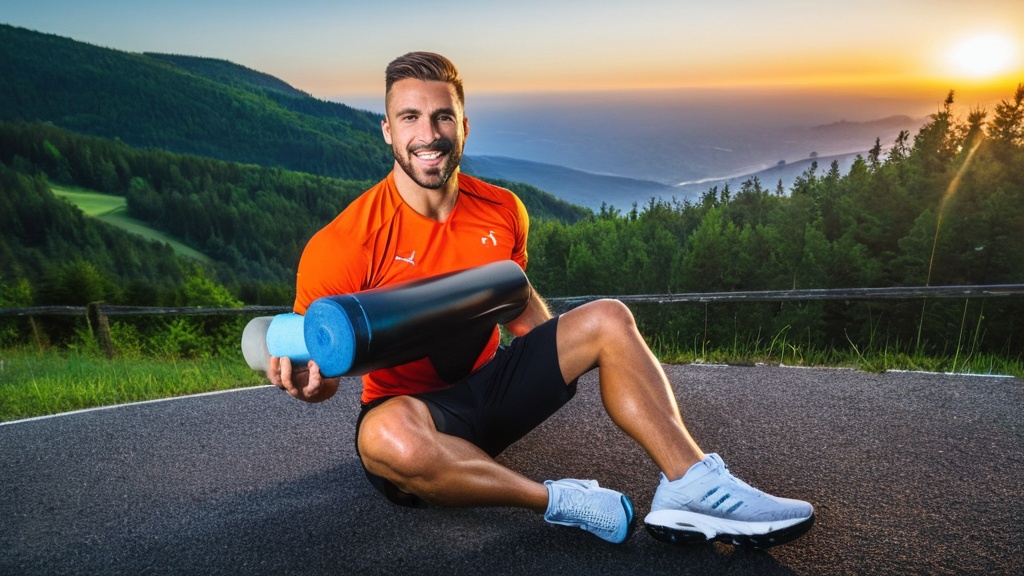
Researchers are developing innovative recovery methods. These tools offer new possibilities. They aim to speed up healing safely. They also address specific needs.
Blood Flow Restriction Training
This technique involves light weights. It uses a cuff to partially restrict blood flow. This can accelerate muscle growth. It also aids in tissue repair. It often complements other therapies.
Intermittent Pneumatic Compression
This uses an air-filled sleeve. It rhythmically inflates and deflates. This can reduce swelling and improve circulation. It offers comfort and aids healing. It’s used for various muscle injuries.
Individualized Tendon Loading
Tendons need specific care to heal. New approaches focus on tailored loading. These are designed for post-surgery or injury. They aim to strengthen the tendon effectively. It promotes long-term resilience.
Special Considerations for Young Athletes
| Category | Metrics |
|---|---|
| Injury Prevention | Number of injuries prevented |
| Injury Recovery | Recovery time for different types of injuries |
| Preventive Measures | Percentage of athletes following preventive measures |
| Rehabilitation Programs | Success rate of rehabilitation programs |
Children and adolescents have unique recovery needs. Their bodies are still developing. Prevention and recovery must consider this. Trauma-informed care is also important.
Supporting Adolescent Recovery
Adolescents benefit greatly from good sleep hygiene. They need balanced nutrition. Supportive adults play a key role. They help manage stress and mental readiness. This aids their physical return.
Trauma-Informed Care in Pediatrics
Concussions and significant injuries can be traumatic. Trauma-informed care focuses on safety. Stable routines create predictability. Supportive relationships rebuild trust. This is essential for emotional healing.
Community and Social Support
A strong support system aids recovery. Talking with friends and family helps. Feeling connected reduces stress. It fosters psychological well-being during tough times. This positive environment speeds healing.
Preventing Injuries Across the Lifespan
Injury prevention is a lifelong journey. It applies to all ages and activities. A national plan recognizes this cycle. Korea’s approach highlights this shift.
A Full-Cycle System Approach
Korea now views injury care holistically. This includes prevention, response, and recovery. This comprehensive framework spans years. It emphasizes proactive health management.
Surveillance and Risk Control
Understanding injury patterns is crucial. Data helps identify common risks. Targeted interventions can then be implemented. This lowers overall injury rates. It creates safer environments for everyone.
Tailored Interventions and Support
Not all injuries or individuals are the same. Interventions need to be personalized. Support systems must adapt to needs. This ensures effective prevention and recovery. It empowers individuals to stay healthy.
FAQs
What is injury prevention recovery?
Injury prevention recovery refers to the process of taking proactive measures to reduce the risk of injury and promoting the body’s healing and recovery after physical activity or injury.
Why is injury prevention recovery important?
Injury prevention recovery is important because it helps to minimize the risk of injuries during physical activity and promotes faster and more effective recovery after an injury, allowing individuals to maintain their physical health and performance.
What are some common injury prevention recovery techniques?
Common injury prevention recovery techniques include proper warm-up and cool-down exercises, stretching, strength training, using proper equipment, maintaining good posture, staying hydrated, and getting enough rest and sleep.
How can injury prevention recovery benefit athletes and active individuals?
Injury prevention recovery can benefit athletes and active individuals by reducing the likelihood of injuries, improving overall physical performance, enhancing endurance and strength, and promoting faster recovery after intense physical activity.
What are some examples of injury prevention recovery exercises?
Examples of injury prevention recovery exercises include yoga, Pilates, foam rolling, resistance band exercises, balance and stability exercises, and low-impact cardio activities such as swimming or cycling.